
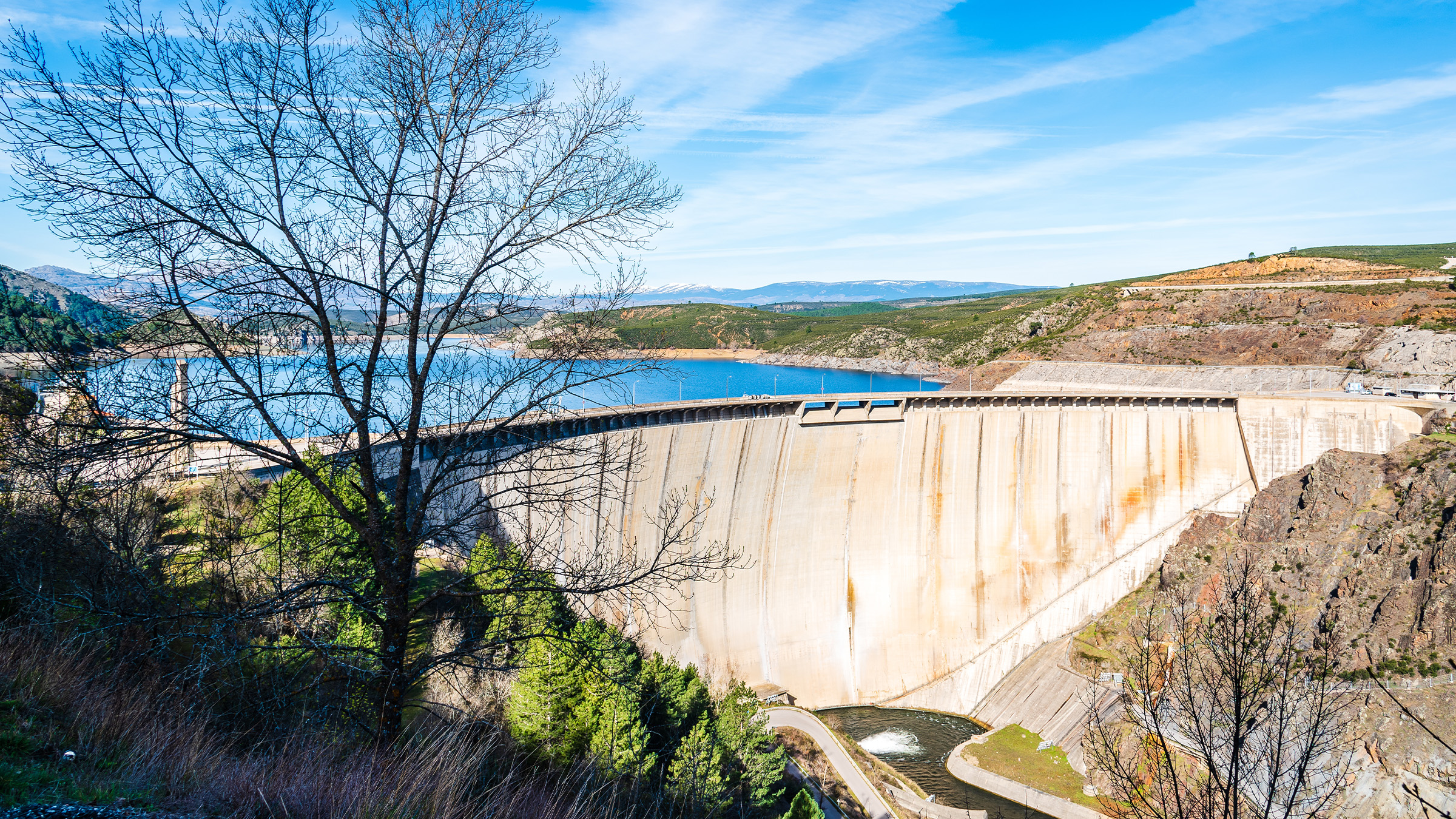

THE dam safety is a strategic theme for engineering, environmental sustainability and the protection of human life. These structures, used for water storage, flood control, power generation and waste disposal, have a high degree of technical complexity and associated risk.
Tragedies that Marked History
Events like Vajont (Italy, 1963), Stava (Italy, 1985), Mariana (Brazil, 2015) and Brumadinho (Brazil, 2019), in addition to recent ruptures in 2025 in countries like Indonesia, Bolivia, Ghana, Myanmar, Canada and Zambia, demonstrate that structural failures can result in irreparable losses: human, environmental and economic.
Therefore, security must be treated as a ongoing priority throughout the dam life cycle, aligning with best practices adopted by institutions such as ICOLD, ICMM, CDA, ANCOLD, USSD, ANA and ANM.
Governance and Institutional Structure
Dam safety management must be supported by five fundamental pillars:
1. Integrated Risk Management
Consider both the probability as for the consequences of failures, integrating technical, operational and environmental aspects.
2. Ongoing Technical Responsibility
Formal designation of a technical manager with training and experience compatible with the complexity of the structure.
3. Periodic Inspections and Reviews
Independent inspections and regular audits ensure proper monitoring of dam conditions.
4. Emergency Action Plans (EAP)
Effective warning systems and clear response plans are essential to prevent tragedies and mitigate impacts.
5. Organizational Culture Focused on Safety
Security must be part of the institutional culture, involving all levels of the organization.
Engineer of Record (EoR)
A Practice of Excellence
One of the main innovations of modern management is the figure of the Engineer of Record (EoR), or Engineer of Record (EdR). This professional is responsible for:
- Keep the technical report of the dam;
- Evaluate and validate projects, works and changes;
- Follow the physical-chemical performance of the structure;
- Issue periodic technical reports;
- Being the link between entrepreneurs, regulatory bodies and society.
Mandatory node Canada (CDA) and in the Brazil for dams with high DPA, and recommended by ICMM in tailings dams.
Efficient Governance Depends on:
Clear documents: with responsibilities, contingency plans and technical routines.
Multidisciplinary team: with skills in geotechnics, hydraulics, geology, instrumentation, communication, etc.
Transparency: independent technical assessment of commercial interests.
Continuous training: training and updating of the technical team, using new technologies.
International Comparison: Global Requirements and Practices
Global Trends in Dam Safety
- Centrality in potential harm (focus on human lives and environmental impacts);
- Risk analysis as a decision-making tool (Bow-Tie, FMEA, modeling);
- Transparency and social participation in regulatory processes;
- Continuous monitoring and real-time data as an emerging pattern.
Key Differences:
- Brazil uses a double rating (CRI + DPA).
- US and Canada prioritize consequences of failure, with qualitative and quantitative analyses.
- In the European Union, standardization varies between member countries.
Current Challenges in Brazil
Despite progress, obstacles remain:
- Operational limitations of supervisory bodies;
- Lack of data integration between federal and state spheres;
- Low engagement of surrounding communities;
- New climate and cyber threats need to be incorporated into risk analysis.
International Comparison: Global Requirements and Practices
Country / Organization
Classification by Risk and Damage
Engineer of Record (EoR)
Technical Audits
Mandatory PAE
Public Reports
Brazil (ANM)
Yes
Partial (since 2019)
Yes
Yes
Partial (via public platform)
USA (FERC/USACE)
Yes
Consolidated practice
Yes
Yes
Yes
Canada (CDA)
Yes
Mandatory
Yes
Yes
Yes
Australia (ANCOLD)
Yes
Common practice
Yes
Yes
Partial
European Union
Yes
Partially required
Yes
Yes
Yes
ICMM
Yes
Mandatory for TSFs
Yes
Yes
Yes
Conclusion: Security is not a Cost, it is a Value!
THE dam safety should be seen as a permanent strategic function, integrated into the governance and socio-environmental responsibility of companies. More than a legal requirement, it is an ethical and technical obligation aimed at protecting life and environmental integrity.
The adoption of practices such as Engineer of Record (EoR), independent audits, real-time monitoring and a proactive organizational culture are essential to ensure structural integrity throughout the dam's useful life.
VinQ Geotechnics: Technical Leadership with Social Commitment
In the VinQ, we believe that safe dams build lasting legacies. That’s why we offer:
- Integrated risk management based on ISO 31000;
- Qualified and internationally experienced Registration Engineers;
- Real-time monitoring and independent audits;
- Transparent technical governance aligned with global best practices.
Security is not a cost. It is VALUE.
 English
  Português do Brasil