
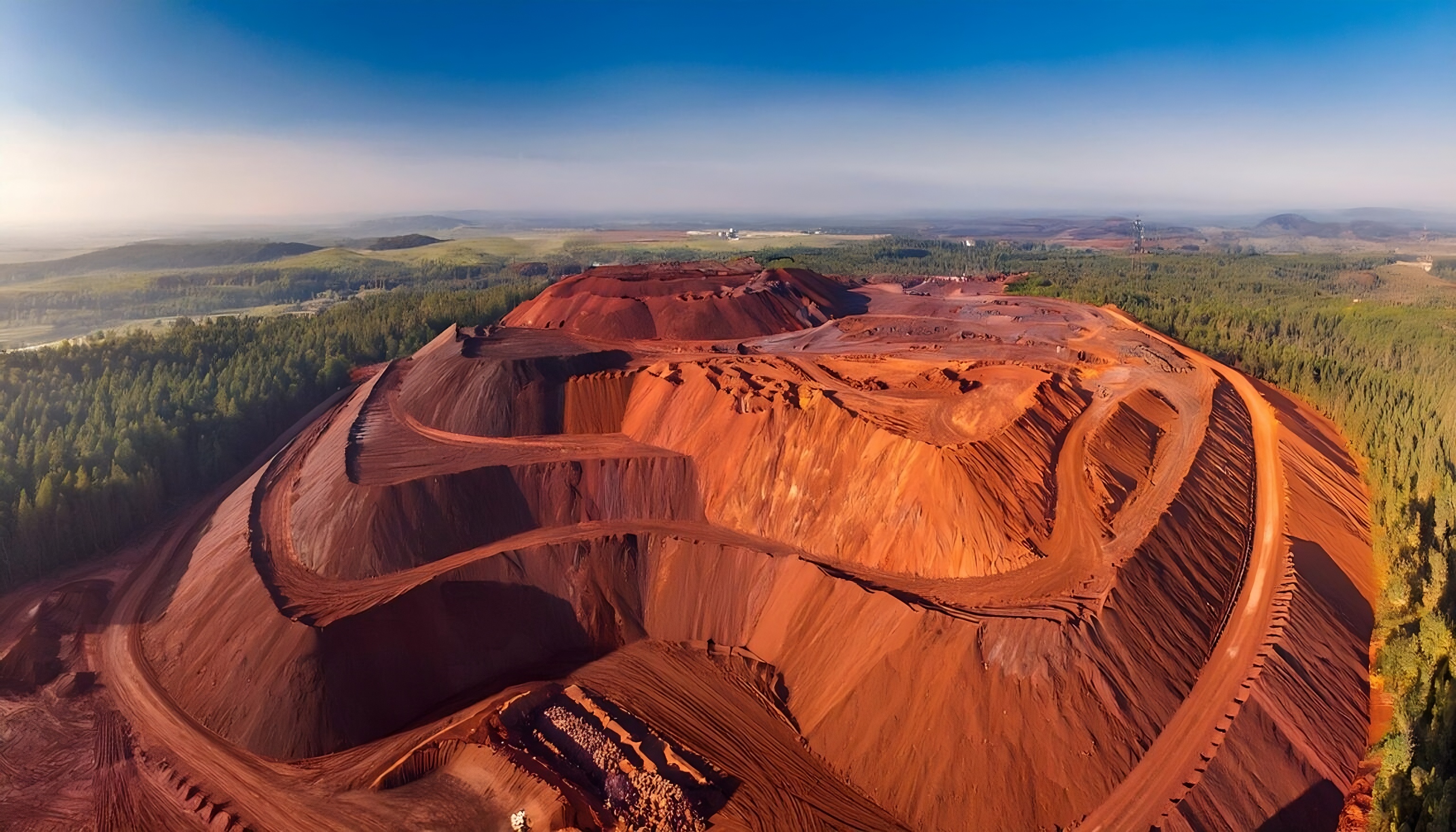
Tailings piles: Integration between geotechnics, hydrogeology and liability

To the tailings piles are permanent and critical structures for modern mining. Their stability depends directly on the water behavior within the massif. Even compacted and low-permeability materials can have the shear strength degraded over time, paving the way for problems such as liquefaction, internal erosion, and progressive ruptures. Control pore pressures and the waterline is therefore essential for security.
The role of internal drainage systems
To mitigate risks, a set of solutions is used that lower the waterline and create preferential flow paths:
- Horizontal or inclined drains
- Vertical drainage columns
- Intercalated drainage layers
- Granular and geocomposite filters
When well designed, these elements elevate the overall safety factor and prevent the accumulation of water in critical areas of the massif.
Why know the local hydrogeological regime?
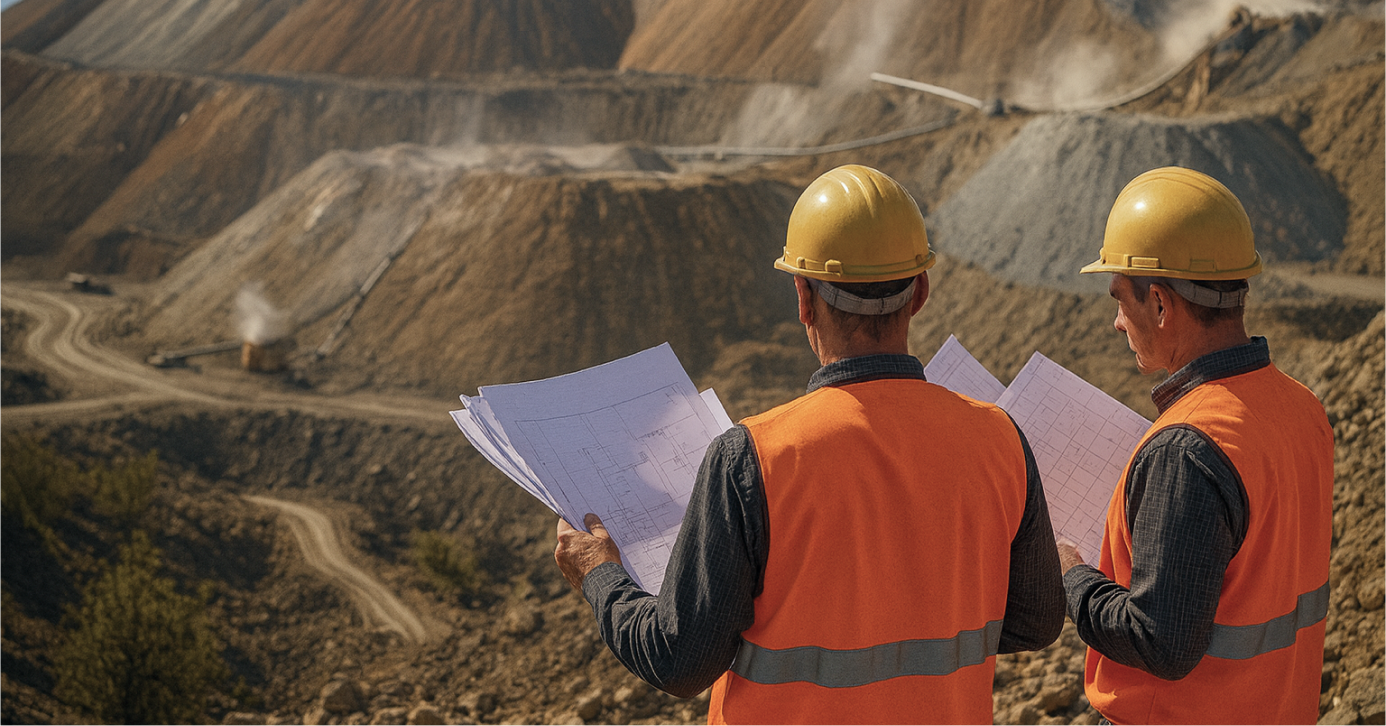
A good drainage system requires detailed geological-geotechnical and hydrogeological characterizationThis diagnosis identifies:
- Preferential flow zones
- Suspended water levels
- Connections to regional aquifers
- Hydraulic conductivities
Without this data, drainage may fail—or worse, attract upward flows that increase instability.
Numerical modeling: simulate today to protect tomorrow
Advanced projects integrate numerical flow modeling (permanent and transient), testing extreme scenarios:
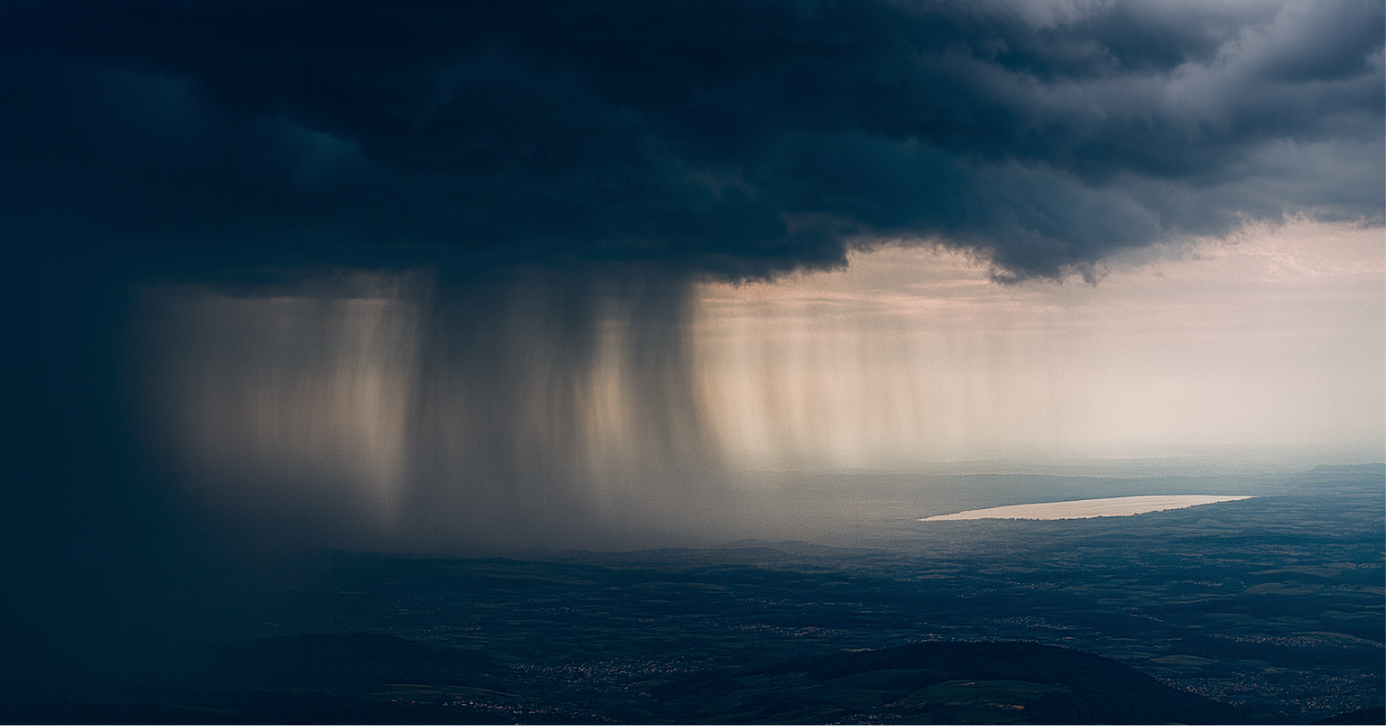
- Heavy rains
- Drainage system failures
- Operational changes
This allows you to create preventive and contingency plans aligned with the reality of each mine.
Additional challenges: acid drainage
In stacks with sulfur minerals (e.g. pyrite), water also catalyzes geochemical reactions that generate acid drainage, dissolving heavy metals and reducing pH. The consequences include:
- Environmental damage
- Reduction of drain conductivity
- Filter clogging
- Corrosion of geosynthetics and metals
Mitigation strategies
- Acidity and potential neutralization tests
- Segregation of materials according to reactivity
- Filter layers alkaline
- Coverages of low diffusivity to limit oxygenation
- Recirculation and treatment of percolates
Continuous monitoring and adaptive management
Long-term stability depends on real-time data and constant updates:
- Automated piezometers
- Geochemical sensors
- Early warning systems
Data feeds updated models, supporting evidence-based decisions and reinforcing continuous improvement.
Responsibility and geotechnical legacy
As structures permanent, tailings piles require:
- Technical excellence and multidisciplinary vision
- Compliance with standards and best practices
- Ethical commitment to the next generations
At VinQ, we design with durability, resilience and protection of lives and ecosystems in mind. True engineering goes beyond delivering the work — it ensures safe performance throughout the structure's life cycle.
Ready to take your tailings piles to the next level of safety? Talk to VinQ experts and discover how our integrated geotechnical and hydrogeological projects can protect your project today and in the future.
 English
  Português do Brasil