
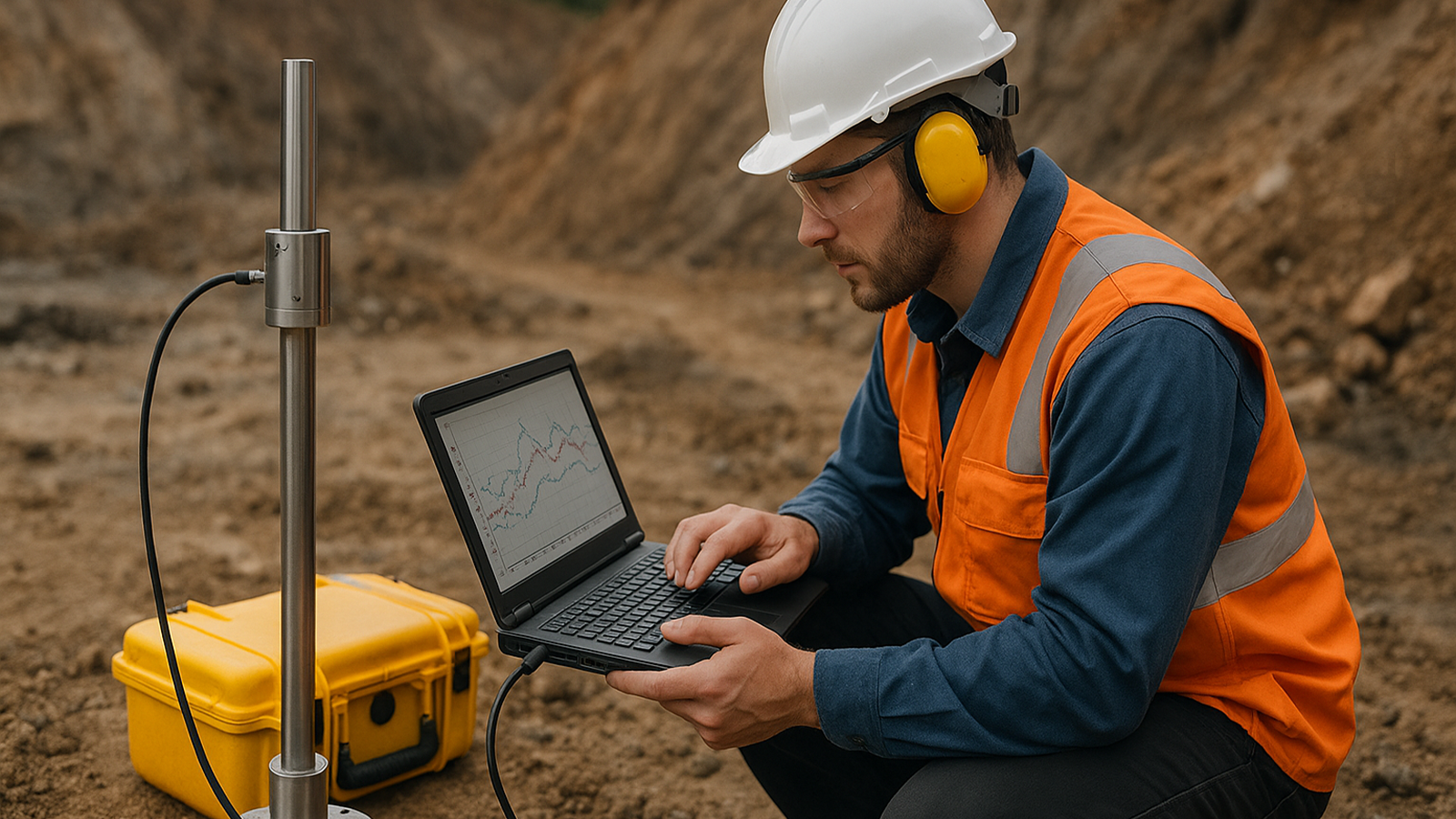
The Importance of Geotechnical Monitoring in Critical Structures

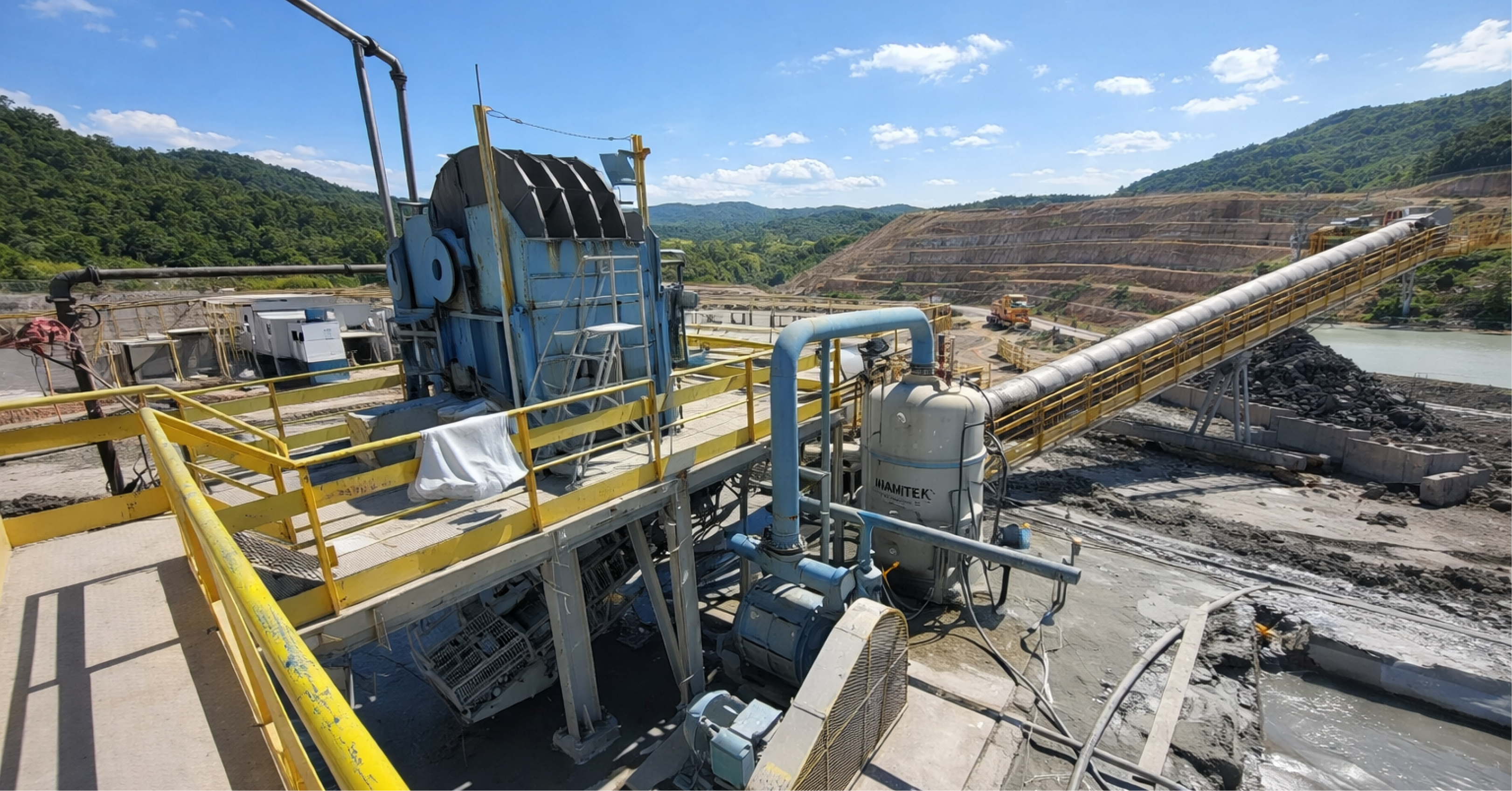
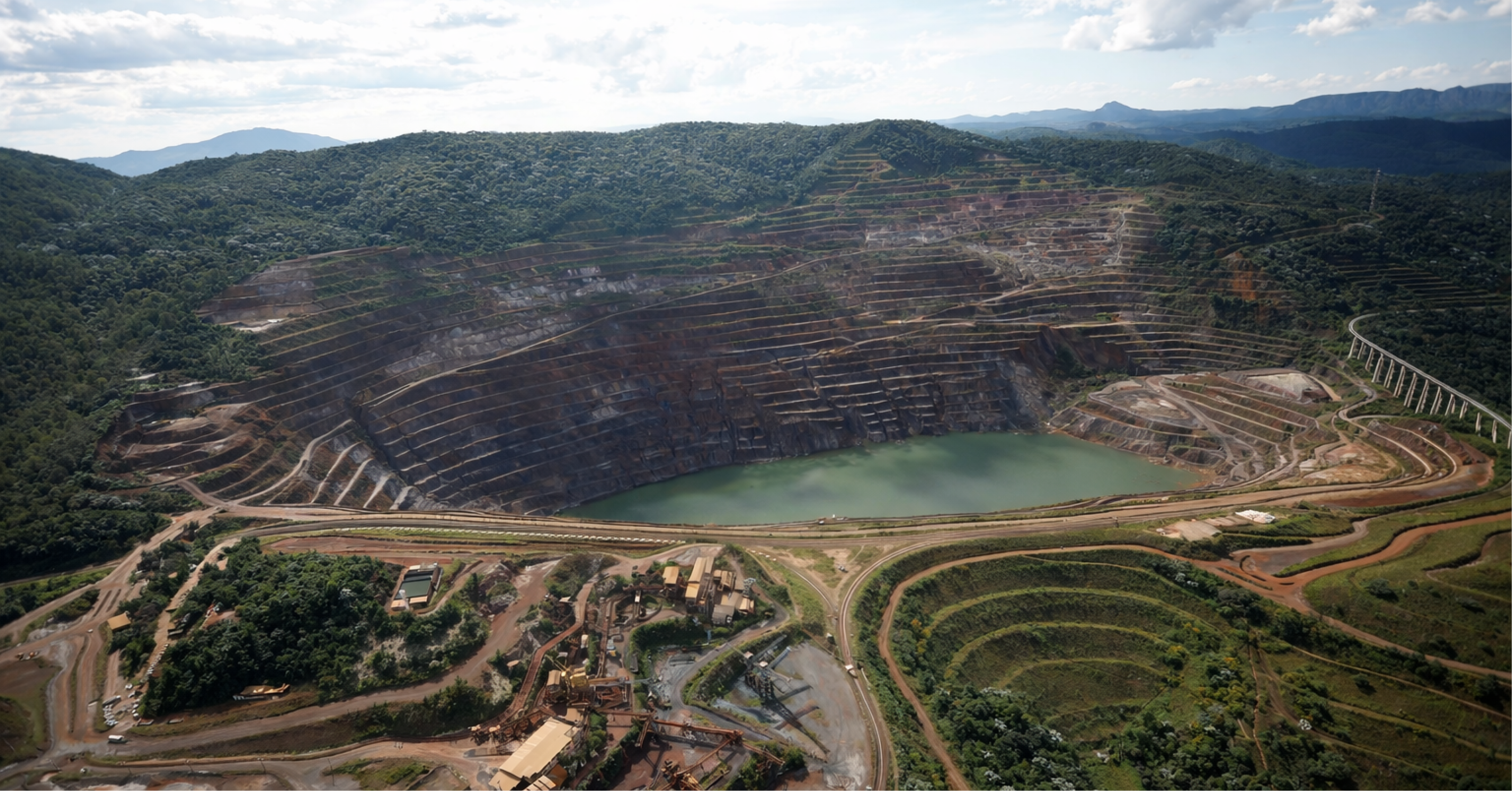
Geotechnical monitoring is an essential tool for ensuring the safety, stability, and efficient operation of structures such as dams, waste rock piles, pits, and natural slopes. More than a regulatory requirement, it is a strategic component of risk management in mining and infrastructure projects.
Risks and Processes in Geotechnical Structures
Geotechnical structures are subject to natural and induced processes, such as deformations, settlements, instabilities, and hydrodynamic variations. Anticipating these behaviors allows for preventive action, avoiding accidents, minimizing economic losses, and protecting lives.
Benefits of Continuous Monitoring
Continuous monitoring allows:
- Detect variations in structural behavior before they become failures;
- Validate geotechnical models used in the design phase, adjusting hypotheses to real behavior;
- Improve decision-making by supporting data-based action plans;
- Comply with current legislation, especially in projects subject to the National Dam Safety System (SNISB);
- Promote a culture of prevention, which is essential in scenarios of high technical complexity and social responsibility.
Technological Advancement in Geotechnical Monitoring
Technological advancements have revolutionized the way geotechnical structures are monitored. Equipment such as inclinometers, piezometers, interferometric radars, and fiber optic sensors allow for real-time, highly accurate data collection. When combined with digital management platforms and artificial intelligence, this data is transformed into valuable information for safety management.
New Tools and Instrumentation
In addition to traditional instrumentation, the use of drones, LiDAR, GNSS sensors, and numerical modeling with back-analysis contribute significantly to understanding structural behavior over time.
Integration of Monitoring into Operation
However, an effective geotechnical monitoring system must be integrated with mining (or excavation) planning, operating schedules, and maintenance routines. This integration allows monitoring to move from being an isolated process to becoming part of the project's value chain, ensuring safety without compromising productivity.
In the VinQ, we understand geotechnical monitoring as one of the pillars of responsible engineering. Our approach combines technology, in-depth technical knowledge, and strategic vision, ensuring that the collected data translates into sound decisions. More than just measuring, our mission is to interpret accurately and act assertively.
 English
  Português do Brasil