
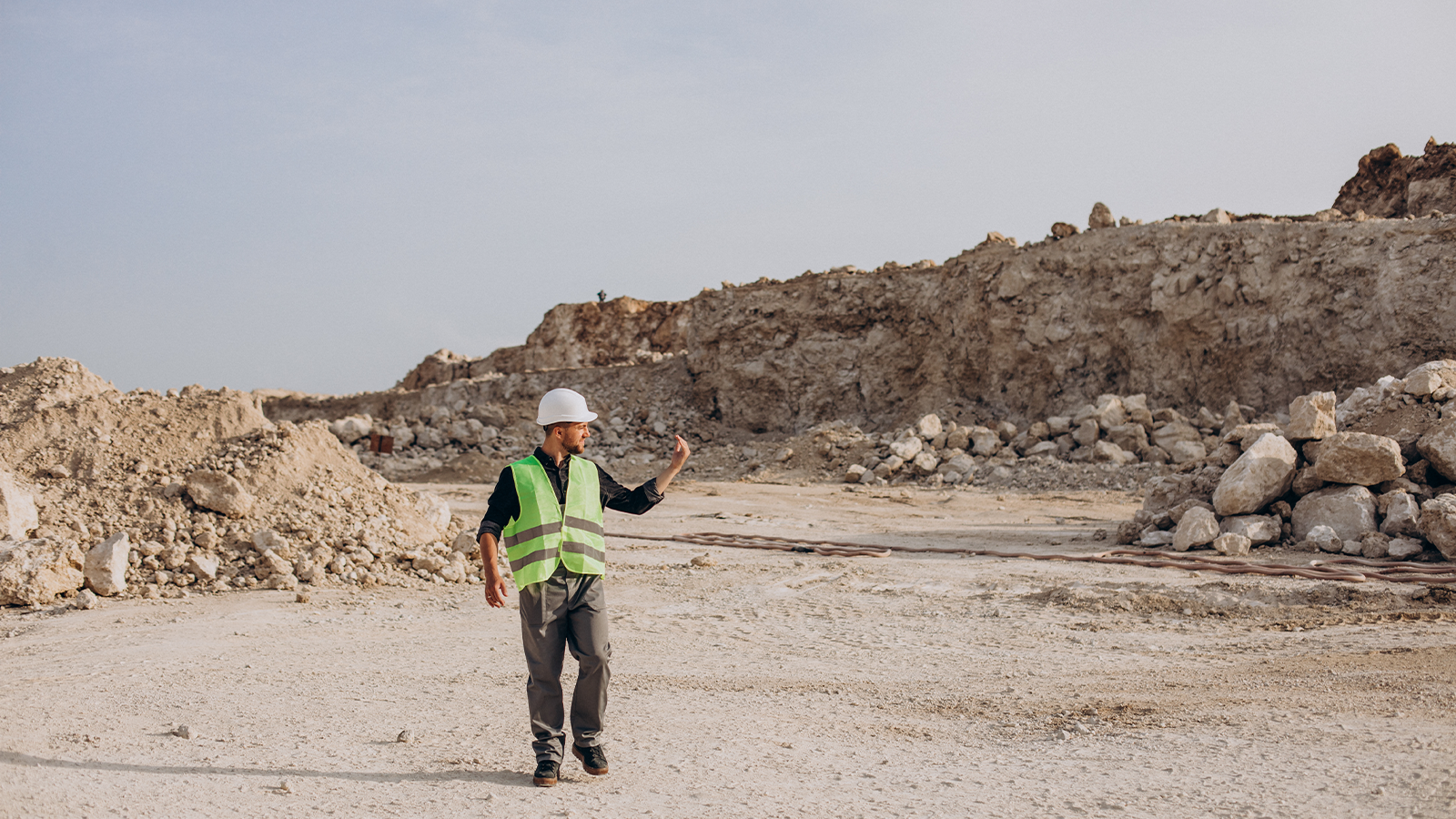
Geotechnics and Geology: the essential connection behind stability

Geotechnics is an applied science that deals directly with the behavior of materials in the Earth's crust—such as soils, rocks, and waste—when exposed to natural or human-induced stresses. Geology, on the other hand, studies the origin, composition, and processes that shape these materials over geological time. Although their approaches differ, these disciplines are deeply interconnected and, together, form the basis of any safe and effective geotechnical project.
Why do geology and geotechnics go hand in hand?
A geological understanding of a massif or terrain provides the essential background for correct geotechnical interpretation. By investigating aspects such as lithology, structure, weathering, tectonic history, and hydrogeology, the geologist provides the geotechnical engineer with the information necessary to model the behavior of the physical environment, assess risks, and make decisions about excavations, foundations, retaining walls, and dams.
Some practical examples of this interdependence:
- Dams: Knowledge of local geology is essential for defining the structure's foundation, identifying permeability zones, predicting preferred flow paths, and assessing the risk of liquefaction.
- Slopes and slopes: analysis of the geological structure, such as faults, folds and shear zones, is critical for assessing the risk of rupture and designing stabilization measures.
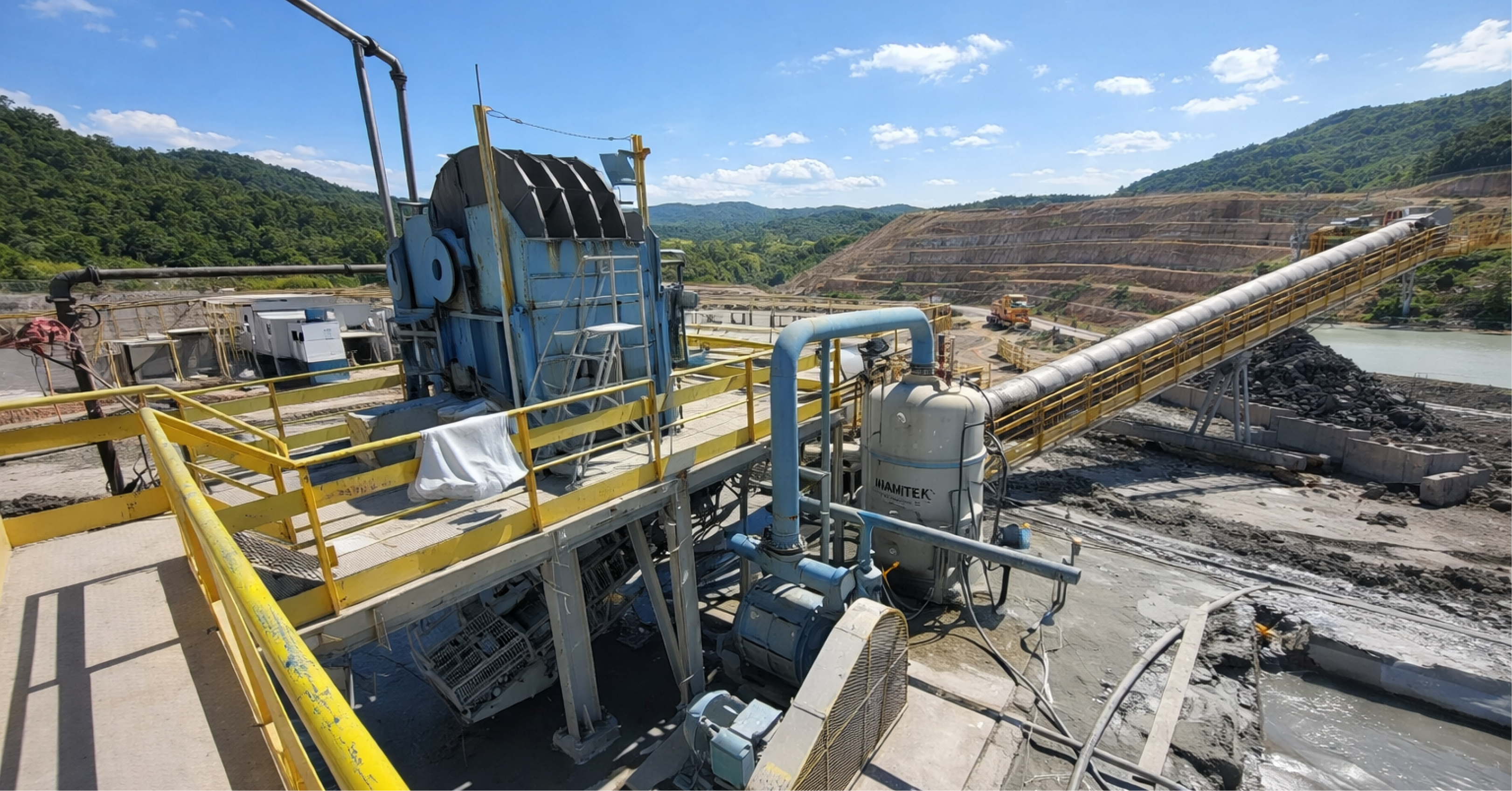
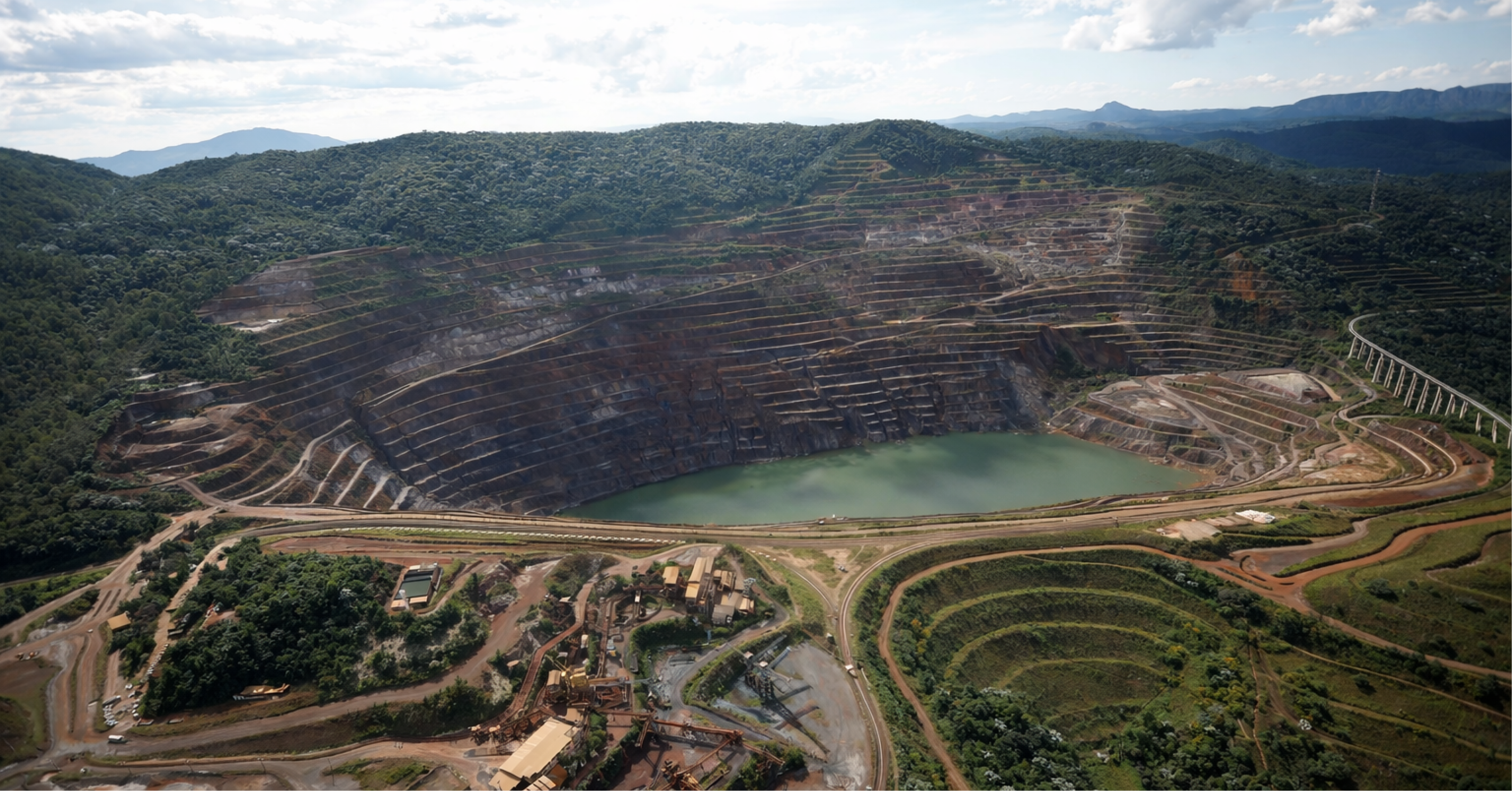
- Mining: Understanding geology not only guides ore mining, but also supports the planning of associated geotechnical structures (such as waste rock and tailings piles), ensuring stability and operational safety.
Benefits of an integrated approach
Projects that involve joint action between geologists and geotechnical engineers are capable of:
- Minimize uncertainties;
- Reduce costs with rework and emergency reinforcements;
- Optimize technical solutions according to the real characteristics of the terrain;
- Increase the safety and performance of structures over time.
VinQ multidisciplinary approach
At VinQ, we take a multidisciplinary and integrated approach to all our projects. We believe that true engineering is built on in-depth geological knowledge combined with well-founded technical solutions—always focusing on safety, performance, and value creation for the client.
Authors:

John Paul dos Santos
Bachelor in Mining Engineering (UFMG), Master in Civil Engineering and Management (University of Glasgow), Specialist in Geotechnical Engineering and Project Management.
Mining Engineer specializing in geotechnics and project management, an international reference in dams and geotechnical structures applied to mining.
Leandro Azevedo da Silva
Bachelor in Geology (UFRRJ), Master in Mining Engineering (UFMG) and Specialist in Mineral Resources Engineering.
A geologist with nearly 20 years of experience in geotechnics, he leads technical projects at VINQ, combining innovation and safety in mining solutions.
 English
  Português do Brasil